
s


Why Is It Called a Tennis Bracelet? The Iconic Story
Sat, Dec 06, 2025
The tennis bracelet is a timeless piece of jewelry—an elegant, flexible line of symmetrical diamonds that encircles the wrist. Yet, its seemingly formal design bears a peculiar, athletic name. If you've ever admired a gold diamond tennis bracelet or considered investing in a modern piece like a lab grown diamond tennis bracelet, you've likely asked the question: why is it called a tennis bracelet?
The name isn't rooted in its design or its materials, but in a single, unforgettable moment of high-stakes sports drama. This guide will reveal the fascinating origin story that gave this classic accessory its enduring name, explain exactly what is a tennis bracelet today, and explore the diverse range of styles and materials—from moissanite tennis bracelet options to luxurious, colorful versions like the sapphire tennis bracelet—that make this accessory a perennial favorite.
The Unforgettable Moment: Why Is It Called a Tennis Bracelet?
The story that cemented the accessory's modern name occurred during the 1987 US Open. Before that moment, the item was simply known as an "eternity bracelet" or a "line bracelet," due to the continuous, unbroken line of gemstones.
The Chris Evert Incident
The defining moment belongs to the iconic American professional tennis player, Chris Evert. Evert was known for her elegant style both on and off the court, often wearing a delicate diamond line bracelet while competing.
-
The Match: During a fierce match at the US Open, Evert's diamond bracelet, which featured a continuous line of individually set diamonds, suddenly snapped.
-
The Interruption: The clasp broke, and the valuable bracelet flew off her wrist and scattered diamonds across the green clay court.
-
The Pause: Evert, ever the professional, immediately requested the match be paused so she could search for her lost jewelry.
-
Media Frenzy: The unexpected interruption and the sight of a world-famous athlete prioritizing her diamonds over the flow of a major championship match caused an immediate sensation. The media and commentators focused on the incident, repeatedly referring to the item as "Chris Evert's tennis bracelet."
Following this highly publicized event, the line bracelet was instantly rebranded by the jewelry industry and the public, transforming into the tennis bracelet—a name synonymous with active elegance, unexpected drama, and enduring style.
What Is a Tennis Bracelet? Defining the Iconic Design
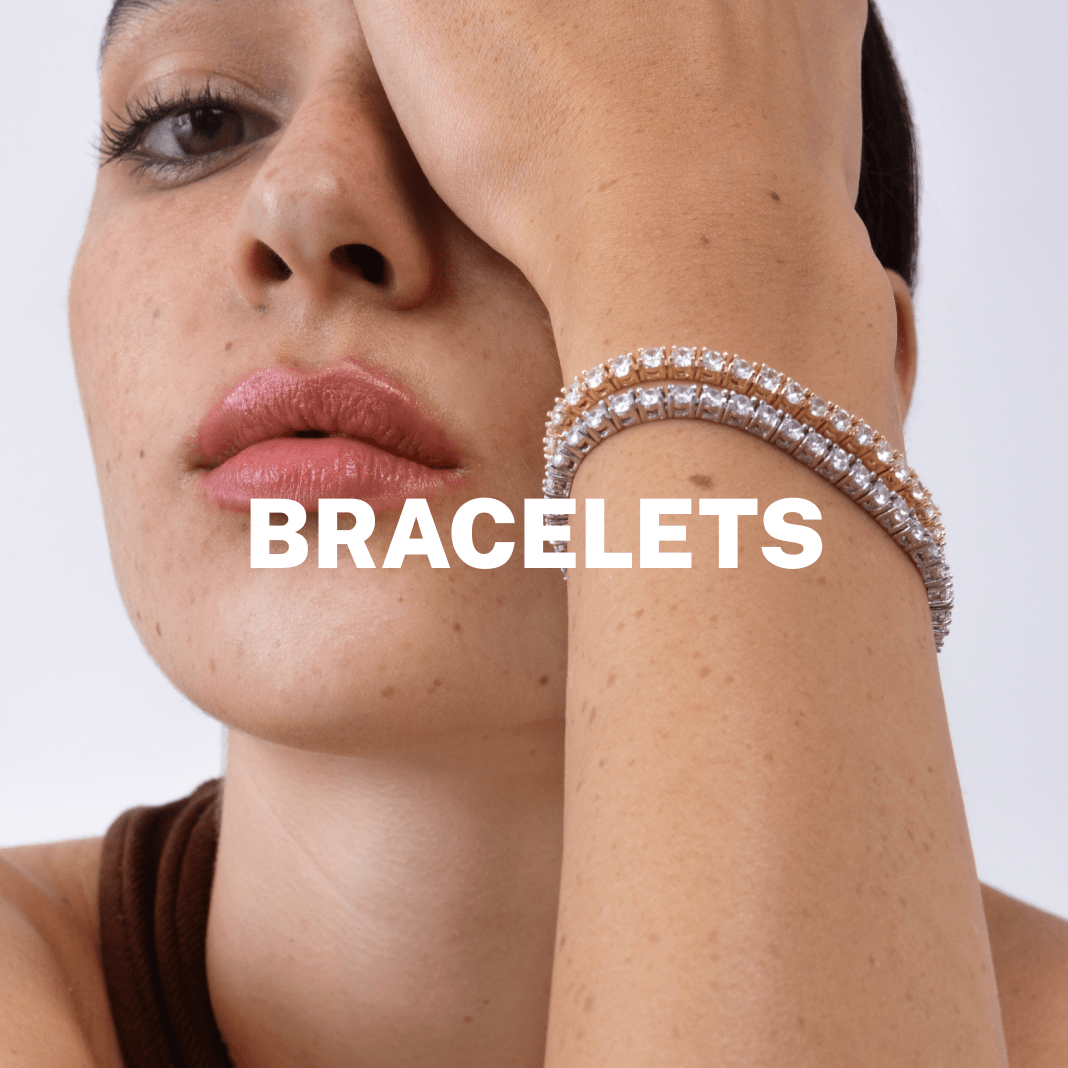
Beyond the story, what is a tennis bracelet from a technical and design perspective? At its core, the design is defined by its flexibility, symmetry, and single-row arrangement.
Key Design Characteristics:
-
Continuous Line: The defining feature is the unbroken, uniform row of stones (usually diamonds or other gemstones) set closely together. This creates a flexible, fluid band that drapes beautifully on the wrist.
-
Individual Setting: Each stone is individually secured by thin metal settings (prongs, bezel, or channel). This meticulous setting style allows the bracelet to move and articulate freely, maximizing the sparkle from every angle.
-
Clasp Security: Modern tennis bracelets feature enhanced safety clasps, often utilizing a box clasp with a double-figure-eight safety catch to prevent a repeat of the 1987 incident.
Evolution of the Design (Cut and Style)
While traditionally featuring round brilliant diamonds, the design has evolved to incorporate various cuts, offering different visual effects:
-
Round Brilliant: The classic choice, offering maximum fire and brilliance.
-
Emerald Cut Tennis Bracelet: Features long, rectangular step-cut stones. This design emphasizes clarity and sophistication over fire, providing an Art Deco-inspired, "hall-of-mirrors" effect.
-
Princess or Cushion Cut: Offers a softer, more rounded version while maintaining high brilliance.
The Value Spectrum: Materials and Carat Weight
The price and appeal of a tennis bracelet depend heavily on the materials used and the total carat weight. Today's market offers options across the entire price spectrum, ensuring everyone can find a piece they love.
1. The Classic Gold Diamond Tennis Bracelet
A gold diamond tennis bracelet remains the benchmark for luxury. These pieces typically feature natural, mined diamonds set in 14k or 18k white, yellow, or rose gold. The price is determined by the total carat weight and the quality (4Cs) of the individual stones. A piece with a total weight of 3 carat tennis bracelet can range from $5,000 to over $15,000, depending on color and clarity.
2. The Modern Choice: Lab Grown Diamond Tennis Bracelet
The lab grown diamond tennis bracelet has revolutionized the market by offering identical physical, chemical, and optical quality to a natural diamond bracelet at a fraction of the cost.
-
Savings: Because a tennis bracelet requires 40 to 60 individual stones, the cost savings realized by choosing lab-grown diamonds are multiplied, offering savings of 50% to 70% compared to natural diamond bracelets.
-
Accessibility: This value proposition allows buyers to achieve a much higher total carat weight (e.g., 5 to 7 carats) for the price of a much smaller natural diamond bracelet.
3. The Affordable Alternative: Moissanite Tennis Bracelet
For buyers prioritizing size and brilliance on a strict budget, the moissanite tennis bracelet is an outstanding alternative. Moissanite is a naturally occurring mineral (now almost always created in a lab) that exhibits more fire and brilliance than a diamond due to its higher refractive index.
-
Price Point: Moissanite is significantly more affordable than both natural and lab-grown diamonds.
-
Aesthetic: The stones exhibit incredible rainbow sparkle, making them a very eye-catching and beautiful choice.

Expanding the Rainbow: Gemstone Tennis Bracelets
While the traditional design features colorless diamonds, the flexibility of the setting is perfect for showcasing colored gemstones, leading to beautiful and unique variations:
-
Sapphire Tennis Bracelet: This bracelet features a continuous line of vibrant blue, pink, or yellow sapphires. Sapphires are incredibly durable (9 on the Mohs scale), making them excellent for daily wear. A sapphire tennis bracelet offers a regal, sophisticated alternative to the classic diamond look.
-
Emerald Tennis Bracelet: Featuring rich, velvety green emeralds, the emerald tennis bracelet provides a luxurious, saturated burst of color. Due to the relative softness and delicate nature of emeralds (7.5-8 on the Mohs scale), the stones are typically protected using a bezel or channel setting for increased durability.
What to Look for When Buying a Tennis Bracelet
Regardless of whether you choose a gold diamond tennis bracelet or a more contemporary moissanite tennis bracelet, there are several key factors to assess before purchasing:
-
Clasp Security: Examine the clasp. It must have a double-locking mechanism (box clasp plus two safety catches) to prevent it from accidentally falling off, just as Chris Evert's did.
-
Flexibility and Articulation: Test the bracelet's movement. It should be perfectly fluid and flexible. If it feels stiff or rigid, the setting may be poorly constructed, preventing the stones from sparkling correctly.
-
Quality of Setting: Look closely at the metalwork (especially if buying an emerald cut tennis bracelet). Prongs should be uniformly shaped and hold the stone securely without overwhelming the gem. In a channel-set piece, the walls should be smooth and perfectly aligned.
-
Length: The standard length is 7 inches, but it must fit your wrist comfortably. It should be able to slide slightly up and down the wrist but should not be loose enough to slide over your hand.
The tennis bracelet's journey from an obscure "line bracelet" to a globally recognized piece of jewelry is a testament to the power of a single moment in time. Today, the choice of a tennis bracelet is a statement that balances classic elegance with personal style, offering brilliant beauty for every budget.


MEET DANIEL SETTON

Ask me a question
YOU'LL LOVE THESE...